
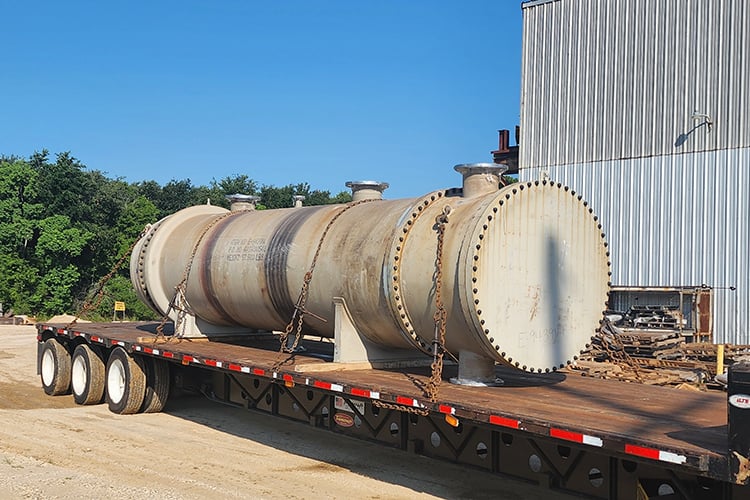
C Type Heat Exchanger Strip and Retube for Fuel Refinery Facility
Enhance refinery efficiency with our C-Type heat exchanger upgrades. Discover how our retubing project minimized downtime and boosted performance.
3 min read
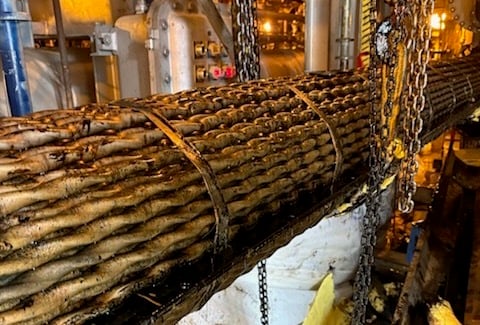
When a heat exchanger begins underperforming at a typical processing facility, troubleshooting can be challenging.
When that exchanger is operating at Prudhoe Bay on Alaska's North Slope, 650 miles north of Anchorage and well above the Arctic Circle, the challenge looks very different.
Personnel and equipment arrive by charter flight from Anchorage to Deadhorse. Field access requires badging and North Slope safety protocols. Planned outage windows are scheduled months in advance and cannot slip.
So, when a TWISTED TUBE® heat exchanger supporting a TEG glycol dehydration system began showing degraded thermal performance, the operator needed to know what was wrong before the exchanger came offline.
Metalforms was nearly 3,800 miles away.
Diagnosing the Problem From Thousands of Miles Away
The exchanger supports the facility's TEG dehydration system, which removes water from natural gas so it can meet quality specifications. When TEG temperatures fall outside their target range, dehydration performance and gas quality can suffer.
In late 2025, the facility's engineering team reported a reduced shell-side temperature differential along with an increased shell-side pressure drop.
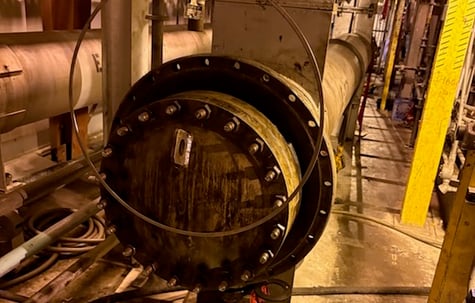
Rather than beginning with an exploratory teardown, Metalforms asked the customer to perform thermal imaging using a FLIR camera and provide photographs of the exchanger's sealing arrangement.
The images revealed the problem.
Metalforms' heat transfer specialists identified evidence that shell-side process fluid was bypassing the tube bundle instead of flowing through it as designed, reducing effective heat transfer.
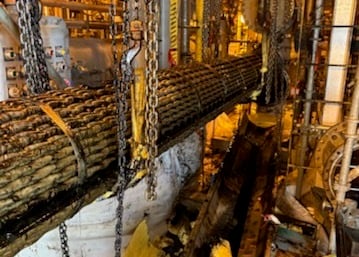
Further analysis identified the root cause: although photographs showed the peripheral braided seal correctly positioned during bundle insertion, the seal had inadvertently been removed during the installation process.
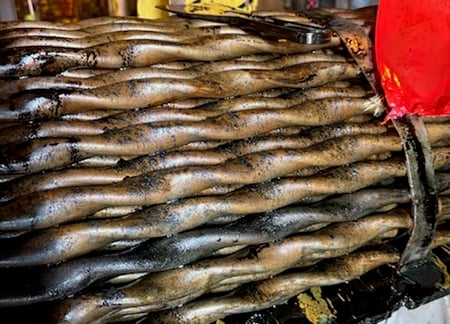
That seal is critical to the TWISTED TUBE® design because it directs shell-side flow through the tube matrix rather than allowing it to travel around the bundle.
With the bypass path identified, Metalforms could prepare the correct components and repair plan before the scheduled outage began.
A Tight Outage Window
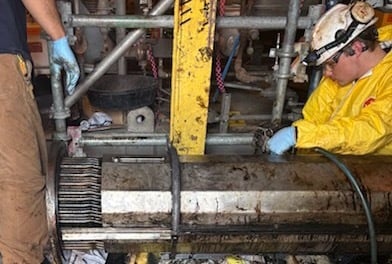
Because the original problem involved bundle sealing, correct reassembly was critical. The customer requested a Metalforms representative on site for the bundle pull and reinstallation during a hard two-to-three-day outage window.
Metalforms field specialist Eddie Guerra mobilized to the North Slope by charter flight from Anchorage to Deadhorse and completed the customer's field access requirements.
On site, Eddie worked alongside the customer's operations and maintenance crews through bundle extraction, inspection, soft goods replacement, and reinstallation. He also helped verify that the sealing components were properly positioned to eliminate the bypass path while transferring TWISTED TUBE® sealing knowledge to the site team.
The combination of remote diagnosis and field expertise meant the right parts, plan, and people were ready when the outage window opened.
Back Online and Back to Specification
Once the bundle returned to service, the exchanger returned to specification. TEG temperatures were restored to their required range, and natural gas quality improved.
“Appreciate your help getting our bundle back together. You were great to work with and the people that were involved in the work were impressed. The bundle is working well, bringing our TEG temps back up to where they need to be, improving our natural gas quality.”
- Facility Engineer, Alaska North Slope operating company
The project eliminated the root cause of the shell-side bypass without wasting the customer's limited outage window. It also gave the site team a clearer understanding of the correct TWISTED TUBE® sealing technique for future work.
For Metalforms, the project demonstrates what specialized heat exchanger support can look like when there is little room for trial and error: diagnose the actual problem, prepare the right solution, and bring manufacturer-level expertise to the field when it matters.
Even when that field is above the Arctic Circle.
Frequently Asked Questions
What caused the TWISTED TUBE® heat exchanger to underperform?
Metalforms determined that shell-side process fluid was bypassing the tube bundle because the peripheral braided seal had inadvertently been removed during installation. Without the seal, fluid could travel around the bundle instead of through it, reducing effective heat transfer.
How did Metalforms diagnose the problem remotely?
Metalforms reviewed FLIR thermal imaging and photographs of the exchanger's sealing arrangement. The thermal signature showed evidence of shell-side flow bypass, allowing the team to identify the failure mode without an exploratory teardown or initial site visit.
Why is the peripheral seal important in a TWISTED TUBE® heat exchanger?
The peripheral seal directs shell-side process fluid through the TWISTED TUBE® tube matrix rather than allowing it to bypass the bundle. Proper sealing is an important part of maintaining the exchanger's intended thermal performance.
What was the result of the repair?
After the missing peripheral seal was installed and the bundle returned to service, TEG temperatures were restored to specification and natural gas quality improved.
Does Metalforms provide heat exchanger field support in remote locations?
Yes. For this project, a Metalforms field specialist mobilized to Alaska's North Slope to support bundle extraction, inspection, soft goods replacement, and reinstallation during the customer's planned outage.
To learn more about this project, Download the Case Study below:

Talk to a Metalforms solutions professional at +1 (409) 842-1626 or visit www.metalformshx.com
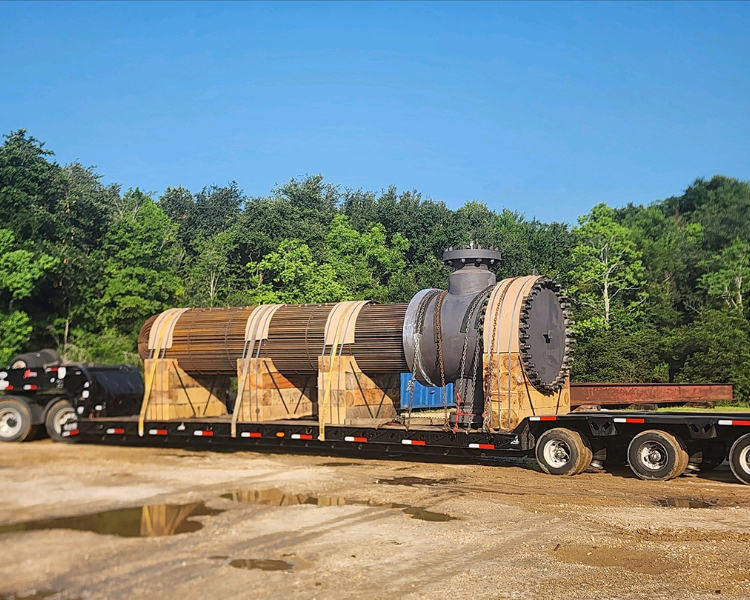
Enhance refinery efficiency with our C-Type heat exchanger upgrades. Discover how our retubing project minimized downtime and boosted performance.
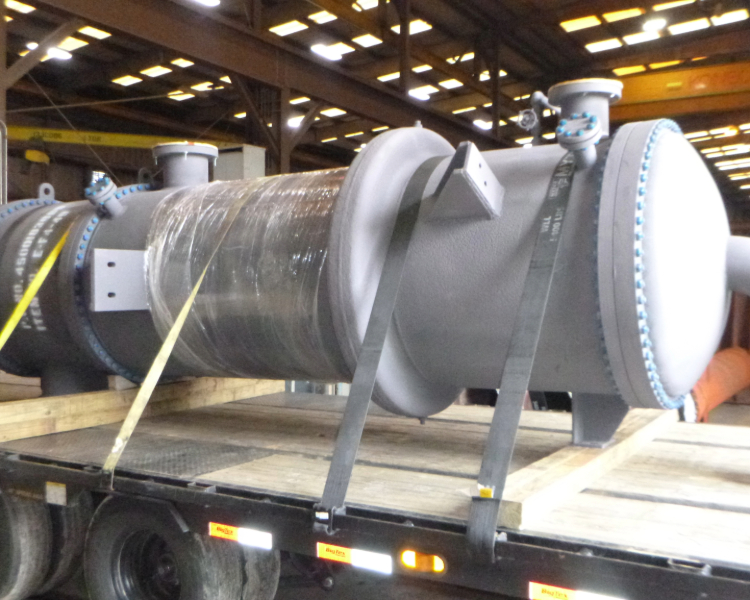
Enhance operational efficiency with AEM's Heat Exchanger Strip and Retube services, ensuring minimal downtime and compliance with industry standards.
Tube replacement ensures efficiency and safety of shell and tube heat exchangers in propylene oxide production, Lowering downtime and growing asset...